Jun 7, 2012

Jun 5, 2012
Fact!
There is enough fuel in a full tank of a jumbo jet to drive an average car around the world four times.


http://www.sciensational.com/
May 28, 2012
May 22, 2012
Fact!
If you stretch out your arms to the side as far as you can, the fingertip to fingertip length is almost exactly the same as your height.


May 16, 2012
Fact!
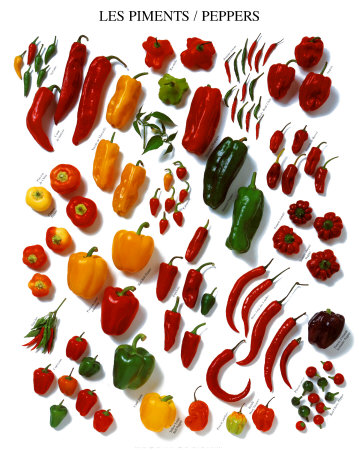
The burning sensation we get from chilli peppers is because of a chemical called Capsaicin.
I wonder where capsicums get their name from?

I wonder where capsicums get their name from?
May 14, 2012
Fact!
Fleas can jump 130 times higher than their own height. In human terms, that's a normal person jumping over 200 metres in the air.

May 10, 2012
Fact!
Pluto is no longer considered a planet. It is now known as a "Dwarf Planet".
Poor little Pluto!

Poor little Pluto!

May 7, 2012
Fact!
What do many scientists believe is the greatest invention ever?
Is that what you were thinking? This item has made life much cleaner and has helped prevent the spread if nasty germs.
May 3, 2012
Fact!
If 100 drops of water represented all the water on Earth, only 1 of these drops would be drinkable (and maybe not even clean).
97 of the drops would be sea water, and 2 of them would be icebergs.

97 of the drops would be sea water, and 2 of them would be icebergs.

May 1, 2012

Apr 27, 2012
The Oldest Living Thing
Trees live much longer than any other type of plant or animal. In fact
it’s possible to know the age of a tree by counting the rings in its
trunk (each ring generally means one year).
 The oldest living tree and hence one of the oldest known living things
on Earth is a bristlecone pine tree located in California, USA. It’s actually over 4600 years old, now that's old.
The oldest living tree and hence one of the oldest known living things
on Earth is a bristlecone pine tree located in California, USA. It’s actually over 4600 years old, now that's old.

http://www.science-facts.com
Apr 23, 2012
Website of the Week
This is an amazing website. It shows us the size difference of many things on our planet and in space.
Click the link below:
http://apod.nasa.gov/apod/ap120312.html
Click the link below:
http://apod.nasa.gov/apod/ap120312.html
Apr 20, 2012
The smallest bird in the world
At just 5cm long and 2g in weight the smallest bird in the world is
none other than the Bee Hummingbird. Found mainly in Cuba and also
holding the record for the smallest egg in the world these guys are
tiny.
Like all hummingbirds they can fly not only forwards but also
backwards, up, down and even just hover. Their small size and amazing
flying skills mean they’re experts at moving from flower to flower
collecting nectar and even small insects. In fact they’re so good at
flying (some visiting as many as 1500 flowers a day) that they don’t
even walk anymore and only use their feet for perching.

Now in order to maintain such flying control there’s one skill we
haven’t touched upon yet, and that’s their ability to beat their wings
at up to 80 times per second. That’s so fast that humans can only see
the wings moving as a faint blur. Now that’s quick!
Source: http://www.science-facts.com/554/smallest-bird-in-the-world/
Apr 16, 2012
Subscribe to:
Posts (Atom)